The surroundings
Sunshine Coast
The Costa del Sol has been one of Spain's most popular holiday destinations for years, accounting for more than 30% of all tourists visiting Spain. This is entirely due to the favorable climate (the sun shines here on average 300 days a year).
Discover the beautiful beaches, numerous attractions, and charming villages and towns.
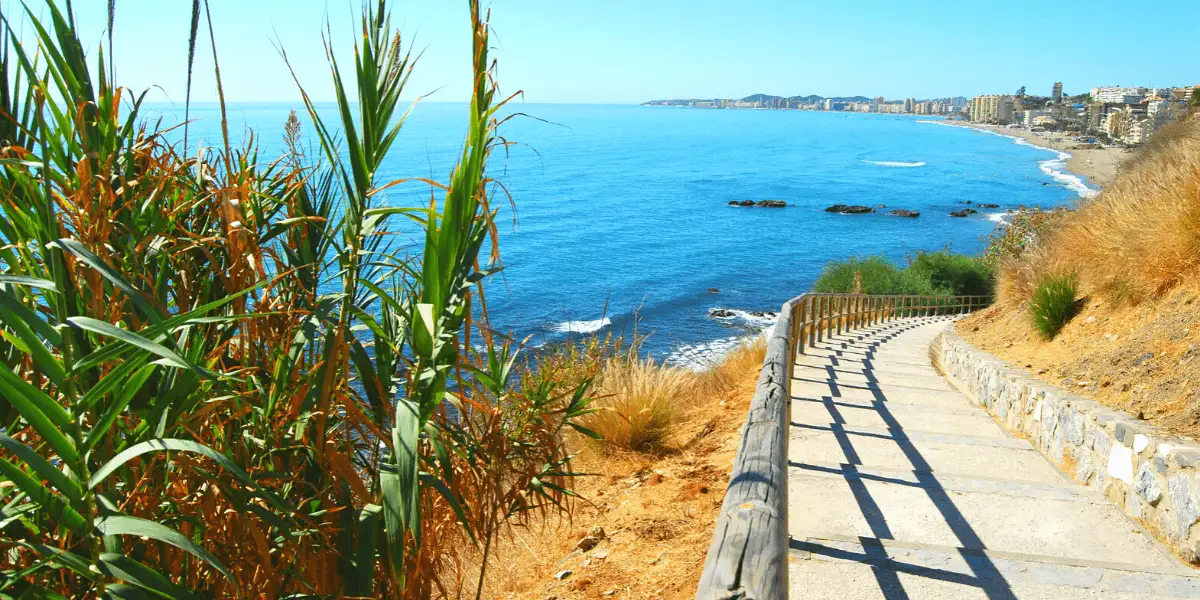
Beach near Fuengirola
Fuengirola is located approximately 6 kilometers from our apartment and is a seaside resort on the Spanish coast. You can enjoy long walks, as the boulevard is 7 km long. If you take this walk, you will pass the many beaches that Fuengirola has to offer. A length of 7 km in this case also means no fewer than 7 beaches: El Ejido, Santa Amalia, San Francisco, Los Boliches, Las Gaviotas, Carvajal, and Torreblanca.
Playa El Ejido
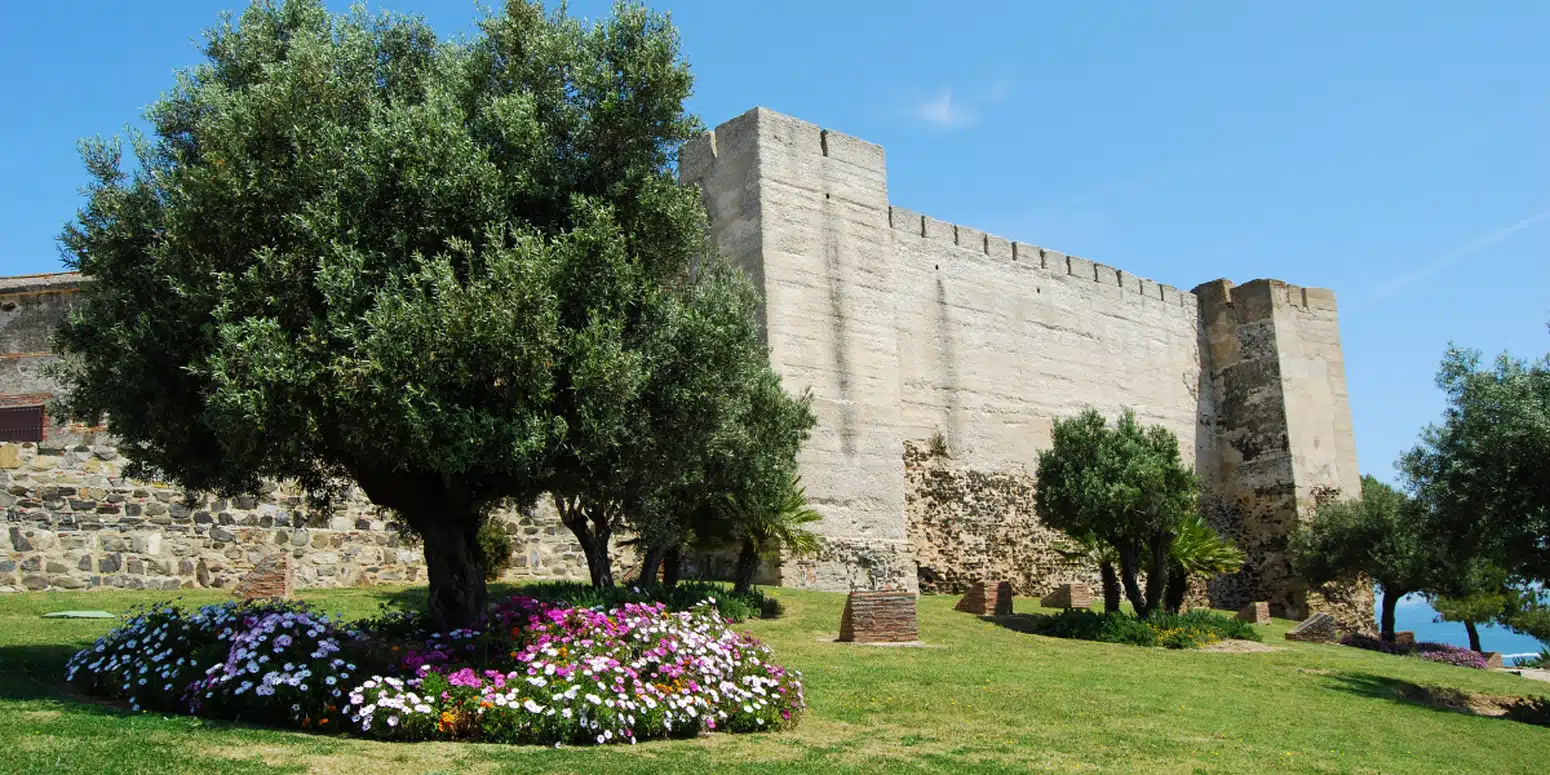
In the south of Fuengirola, you will find the long Playa El Ejido. This beach is also known as Playa del Castillo, which translates from Spanish as 'Castle Beach'. The beach did not get this name for no reason. Just behind the beach, Castillo de Sohail, a fortress and castle in one, was built on a hill. Its position on the hill is strategic, as it allowed enemies to be spotted from a distance. Combine a visit to the castle with an afternoon of lazing on this beautiful beach.
Playa de los Boliches
Playa de los Boliches is considered by many to be the best beach in Fuengirola. The beach, also located near the marina, haseverything you needfora fantastic day at the beach. Sunbeds, parasols, and hammocks are available for rent, and thanks to its enormous width, there is always a spot to be found. Playa de los Boliches is also one of the cleanest beaches in Fuengirola and the water quality is good. It is not surprising that this beach has been awarded the Blue Flag several times.
Tip:
Parking at Castillo de Sohail is free.
The 'white village' of Mijas
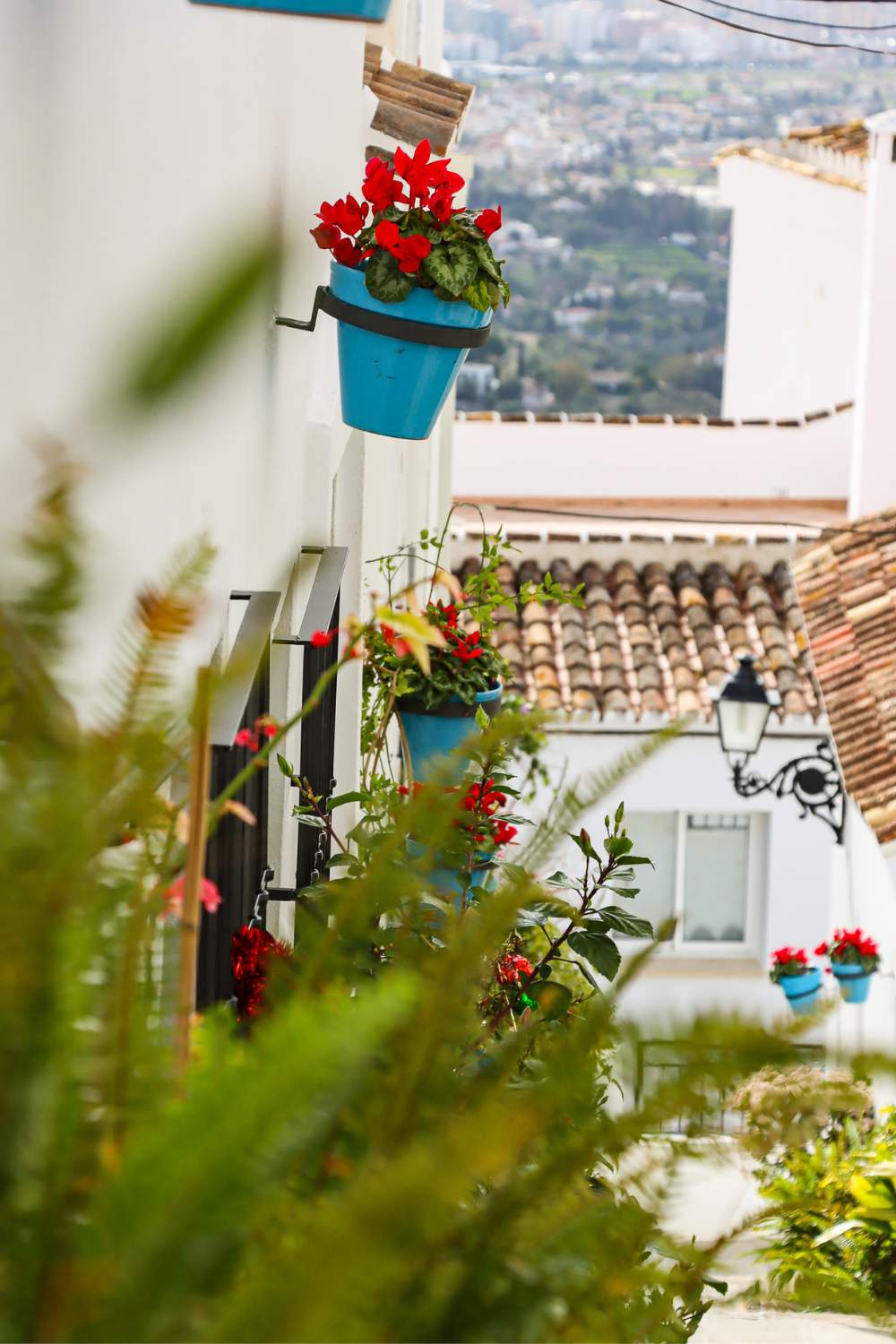
The "white village" of Mijas is located 16 kilometers from our apartment. Mijas Pueblo is probably the most famous white village of all the "Pueblo Blanco" in the province of Málaga. It is located at an altitude of 425 meters and is a typical Andalusian village. In 1969, Mijas Pueblo was declared a site of historical and artistic interest.
Stroll through the narrow streets, where you will find local crafts and cozy tapas bars and restaurants. It is also possible to take an electric tuk-tuk . Be sure to visit the watchtower of the old fort in the botanical garden. Here you have a beautiful view of Fuengirola.
Mijas Pueblo has several small museums. The "Çarromato" de Mijas is one that you won't often come across anywhere else. It houses miniature works from more than 50 countries!
On Wednesdays from 10:00 a.m. to 2:00 p.m., you can visit the Plaza de la Virgen de la Peña to buy gifts and souvenirs at the local craft market. Here you will find souvenirs from Mijas Pueblo, leather goods, and many other handmade items.
Tip:
During peak season, this village gets really busy. So, make sure you don't plan your visit too late in the day because parking is limited. The big parking lot on the left is clearly marked as you enter.
You can park your car here for just €1 a day. This saves you a lot of parking stress. The center is practically car-free.
Setenil de las Bodegas
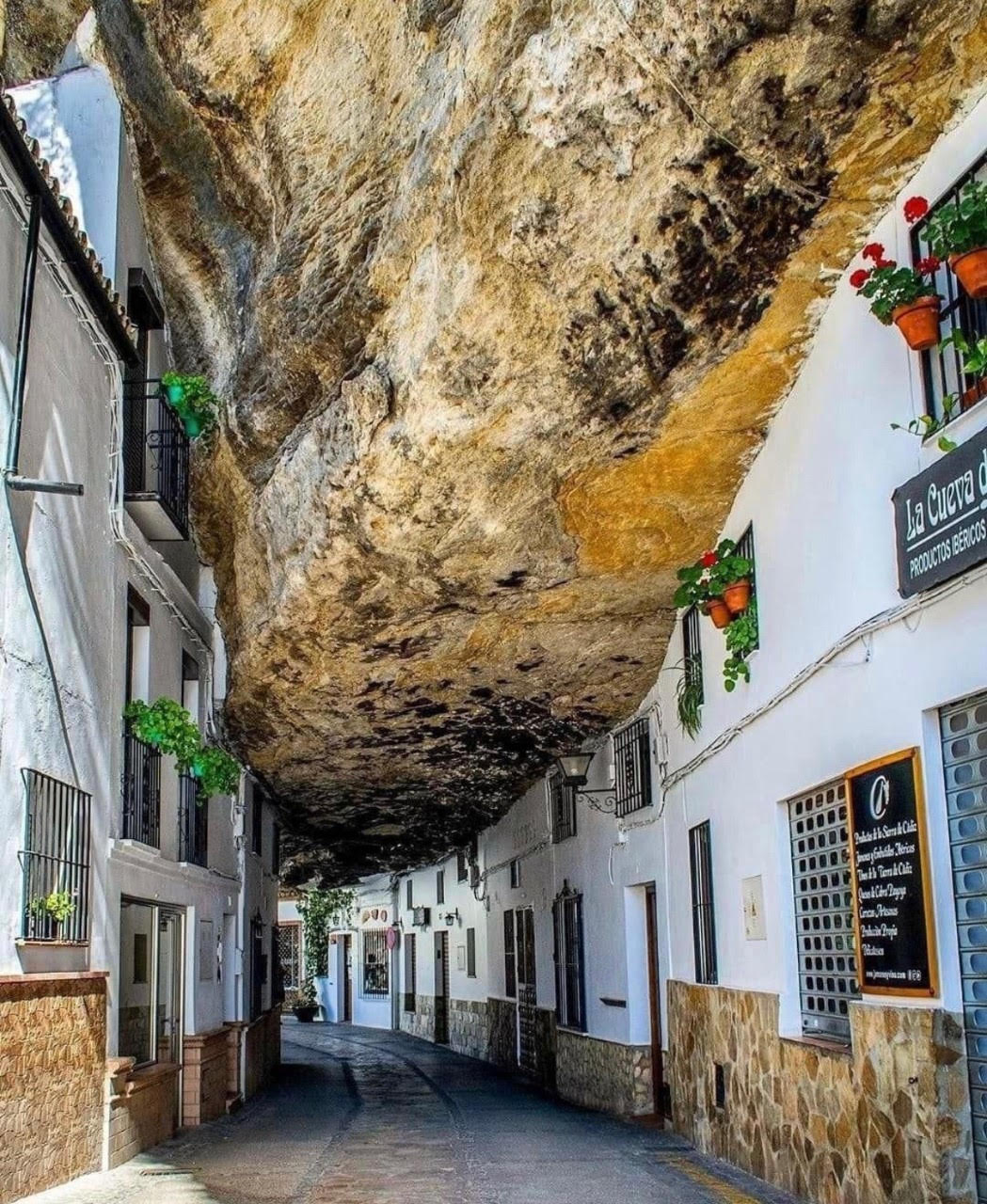
You have to drive a bit (135 kilometers) to reach the village of Setenil de las Bodegas in the province of Cádiz. While most white villages in Andalusia are built on top of high hills or rocks, Setenil is built into the rocks. The village is therefore known for its unique rock dwellings.
The main streets in the village are Cuevas del Sol (Caves of the Sun) and Cuevas de la Sombra (Caves of the Shadow). These two streets were built in a valley beneath the rocks and are separated by the Guadalporcún River. On one side of the river, there is plenty of sun, while the other street is almost always in the shade because of the rocks.
In many buildings in the village, the rocks are part of the interior, as the carved rock forms the back wall or roof of the house. You can go inside the shops to see this and get a good idea of what these unique rock dwellings are like. Many pigs are bred in the Setenil area, making chorizo very popular here. The'tapa de masita' is a commonly eaten dish. This is a kind of mini hamburger made from fried chorizo served on a bun. Another typical dish from this village is'sopas cortijeras', a soup made from bread, olive oil, asparagus, and egg.
Tip:
Combine a trip to Setenil de las Bodegas with a visit to the city of Ronda. The route to both places through the mountains and valleys is an excursion in itself.
Tip:
You are not allowed to drive into the village by car unless you are a resident. One option for parking is the Parking Los Caños, often referred to as Parking CP-Plus.
Nerja and its caves (Cueva de Nerja)
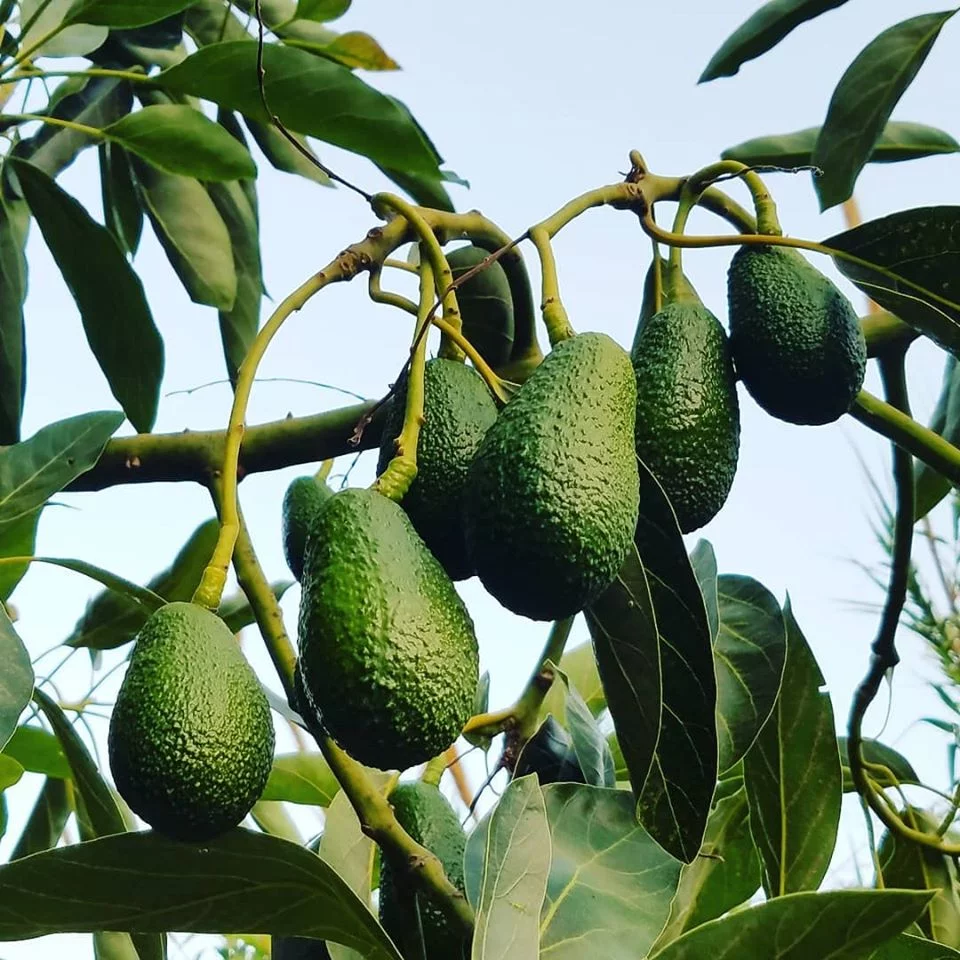
Nerja is a coastal town located just under 100 kilometers from our apartment. It is one of Europe's most important suppliers of avocados, and you will see the fruit frequently along the way to this town.
Nerja is certainly known for its miles of beaches, but that is by no means all it has to offer. Once you arrive in Nerja, you can stroll through the narrow streets and charming squares. The town has a number of very special sights.
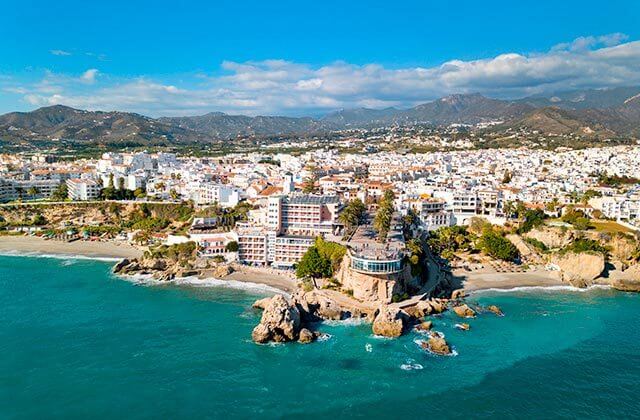
Nerja has a beautiful viewpoint known as the Balcón de Europa. The Balcón de Europa is located on a high, protruding cliff on the edge of Nerja's town center. It was once the site of a watchtower belonging to an Arab stronghold that served as a defense against pirate attacks. See if you can spot the two cannons that were salvaged from the shipwreck that destroyed the fort in 1812. In 1885, King Alfonso XII gave the monument his name after an official visit. A life-size statue of the former Spanish king has been erected in memory of this event.
When visiting Nerja, the caves, the Cueva de Nerja actually not to be missed. You can go there on your own or take the train. The Cueva de Nerja has the largest column (a fusion of stalactites and stalagmites) in the world. It is 32 meters high, 13 meters wide, and the caves are listed in the Guinness Book of World Records. The 5 km long caves of Nerja are known for their stalactites and stalagmites, which are up to 800,000 years old. 700 meters of this is accessible to the public.
Tip:
If you choose to take the train to the caves, it is wise to buy a combination ticket. This ticket gives you access to the caves, the museum in Nerja, and the train. You can even explore the museum on another day, as long as you keep your ticket safe.
Marbella
Marbella is located 25 kilometers from our apartment. Marbella is sometimes referred to as the Saint-Tropez of Spain, due to its luxury shops, extremely expensive cars driving around, and chic marina. And that's true,at least if you walk around the Puerto Banús marina.
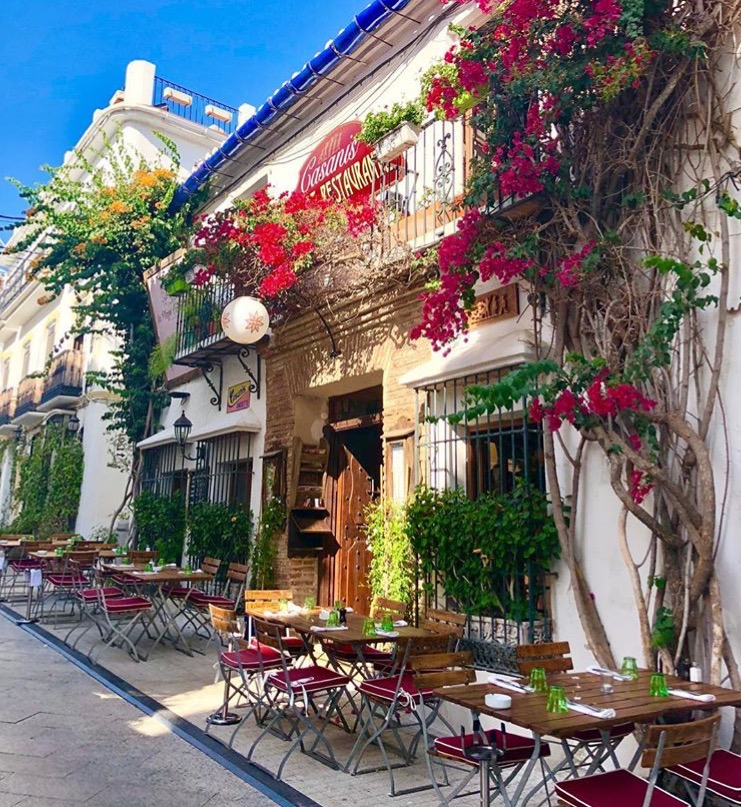
But Marbella has so much more to offer. In the old town (Casco Antiguo), you can wander through the cobbled streets, past whitewashed houses decorated with colorful geraniums and beautiful bougainvilleas. The streets are lined with a mix of small boutiques and cozy tapas bars and restaurants. In the middle of the streets, you will come to the central square, Plaza de los Naranjos, which dates back to 1485. The name says it all: the square is full of orange trees. The town hall, built in the 16th century, is also located on this square. From the square, you can walk to the Iglesia de la Encarnación, a church built in the 16th century. The bell tower is even older, as it is the former minaret of the mosque.
Between Casco Antiguo and Paseo Marítimo (seafront promenade), you can see unique sculptures by Salvador Dali, comparable to a museum collection, but located on a street by the sea—and accessible to everyone!
Tip:
I already mentioned the former minaret in the Iglesia de la Encarnación above. Córdoba is home to the Mezquita Catedral. It is incredibly beautiful to see and highly recommended if you are staying on the Costa del Sol for a while. It is easy to reach from Malaga by train (just over an hour).
Tip:
From Marbella, it is another 75 kilometers to Gibraltar, so don't forget to bring your passport.
Tip:
Parking in Marbella is difficult and expensive. There are several market days, which means that certain parts of the city are busier and parking spaces fill up quickly. I wouldn't bother looking for a free parking space, as they are usually full.
Malaga
Málaga is the largest city on the Costa del Sol and the sixth largest city in Spain, located just under 40 kilometers from our apartment. The great thing about Málagais that there is plenty to do, but it doesn't feel like an overwhelming big city.
There is a large parking garage near the city center.
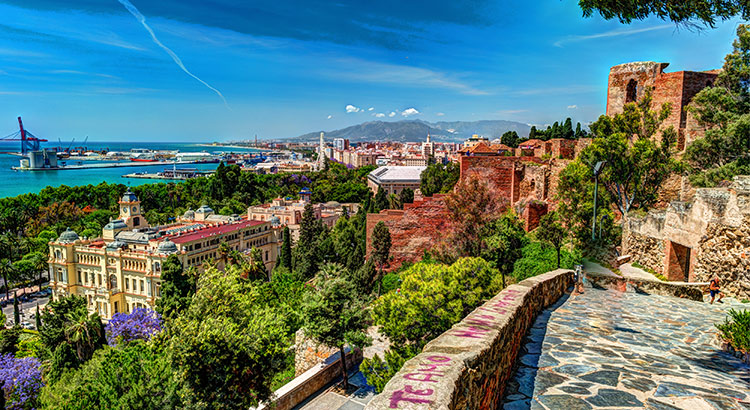
Walking towards the center, you can already see the Alcazaba fortress on the mountain. It can get quite hot in the summer months, so I recommend taking the lift that takes you to the entrance of the fortress.
After your visit, walk downhill (or take the elevator) and you will find yourself in the historic center, where you can already see the Teatro Romano. The Roman theater dates back to the last century BC and was discovered by chance in 1951 during excavation work. Once in the old center, you will see the Santa Iglesia Catedral Basílica de la Encarnación (the Catholic cathedral) towering above everything else. The centro historico also has a car-free shopping street (Calle Marqués de Larios), 36 museums, and many restaurants. So you won't get bored.
Tip:
Admission tickets to the Alcazaba are very cheap in Málaga, but you can visit these places for free every Sunday from 2 p.m.
Málaga Cathedral is also free to visit on Sunday mornings.
Málagahas a wide variety of museums (36 museums ), most of which are located in the historic center. For some of them, admission is also free on Sundays:
- Picasso Museum : free admission during the last two hours;
- Russian Museum : free admission from 4 p.m.:
- Centre Pompidou : free admission from 4 p.m.;
- Thyssen Museum : free admission from 5 p.m.;
- Malaga Museum : free all day;
- Revello de Toro Museum : free admission between 10 a.m. and 12 p.m.;
- CAC : free all day.
Ronda
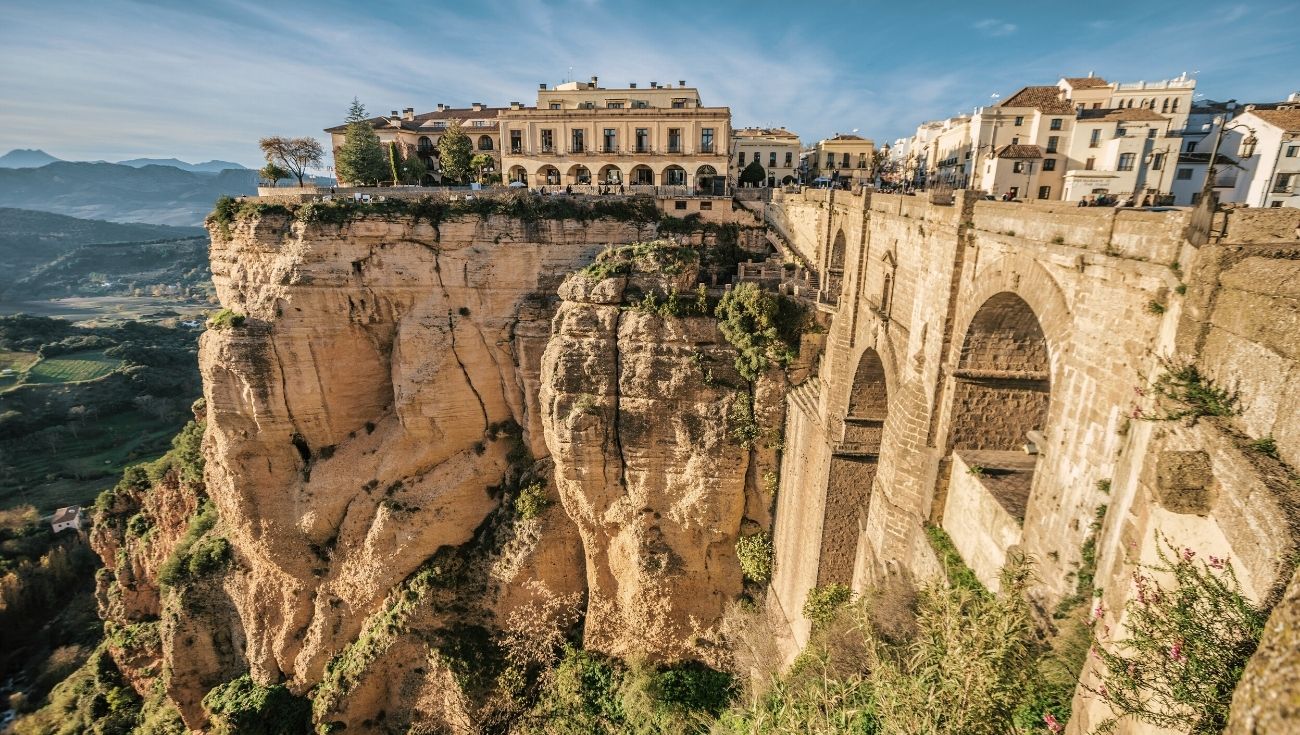
It's not exactly next door, but it's definitely worth the trip. If you drive via Coin, it's a beautiful route through mountains and valleys (about 127 kilometers). The village is located above the El Tajo gorge and offers a beautiful panorama of the surrounding area from the iconic Puente Nuevo (new bridge) or the Puente Viejo (old bridge), connecting the old and new parts of the city.
From Punto Viejo, it is a short walk to the Lara Museum. The museum is privately owned and offers a huge variety of collections.
The historic bullring, Plaza de Toros, is a must-see and one of the oldest in Spain. Stroll through the narrow streets lined with whitewashed houses and colorful flower boxes, and visit the Casa del Rey Moro with its beautiful gardens and views. For nature lovers, there are countless hiking trails in the surrounding mountains. Enjoy a relaxing evening with local tapas and wine as the sun sets and bathes Ronda in a magical glow.
Ronda offers a unique experience for every visitor. Discover its history, enjoy its natural surroundings, and let yourself be enchanted by the charm of this Andalusian village!